

Understanding Chip Seal in Florida
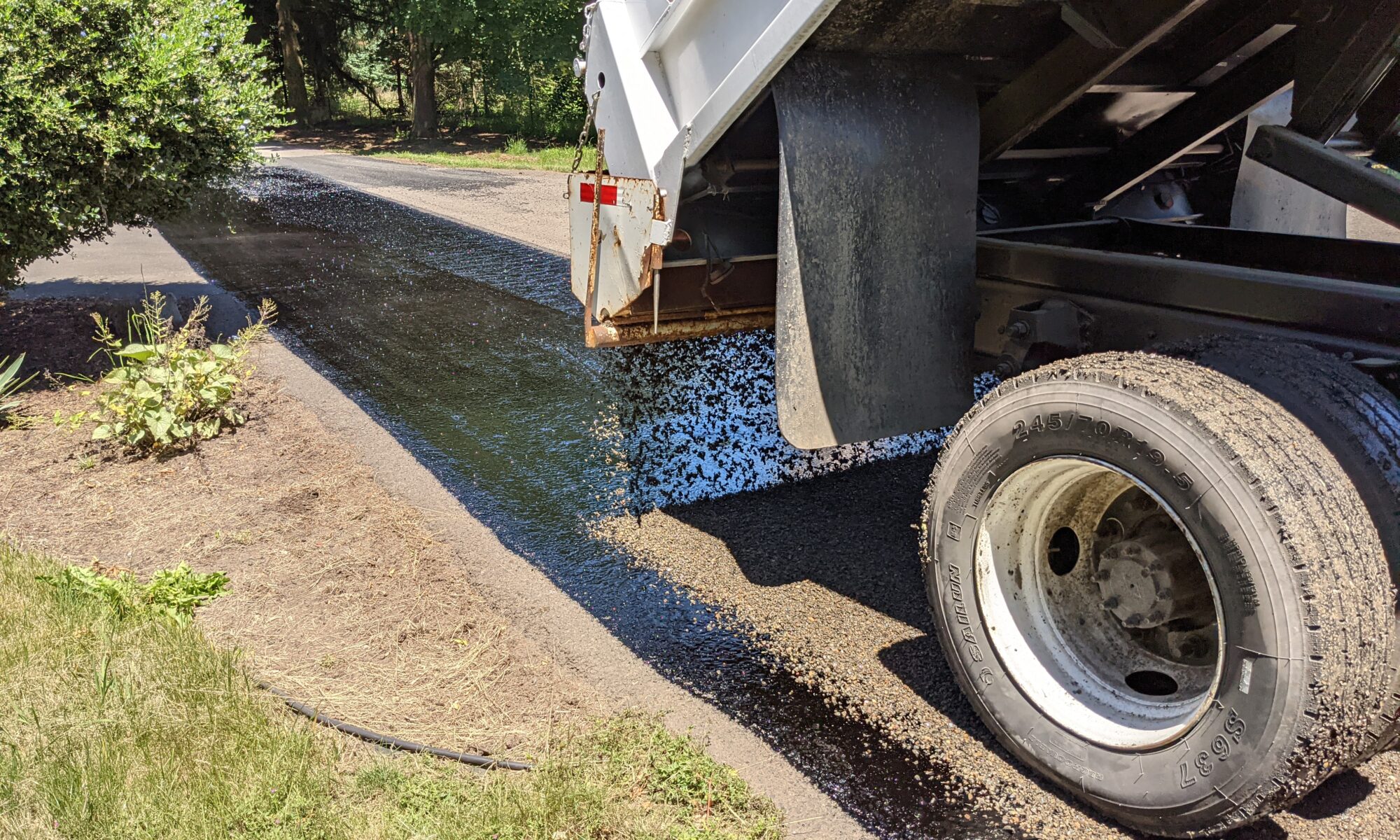
Chip seal is an effective way to maintain and improve road surfaces, especially in places like Florida where the climate can take a toll on asphalt. This method involves applying a layer of asphalt emulsion followed by a layer of aggregate, creating a durable surface that can withstand the heat and humidity typical of the Sunshine State. Whether you live in a bustling city like Orlando or a smaller town like Apopka, understanding how chip seal can benefit your property is essential for homeowners, HOAs, and businesses alike.
Climate and Traffic Considerations in Florida
Florida’s warm climate means that roads are constantly exposed to the sun’s harsh rays, which can lead to cracks and surface deterioration. In areas with high traffic, such as downtown Orlando, the wear and tear can be even more pronounced. Chip seal works well in this environment because it helps to seal existing cracks and provides a new surface that can handle both vehicular and pedestrian traffic.
In rural areas, like those around Gainesville, chip seal can be particularly beneficial for maintaining farm lanes and county roads. These surfaces often endure heavy loads from agricultural vehicles, and a chip seal coat can help extend their lifespan without the need for costly asphalt overlays or complete reconstructions.
Practical Uses for Chip Seal
When deciding whether chip seal is the right choice for your surface, consider the following applications where it shines:
- Driveways: Ideal for residential properties, chip seal enhances curb appeal while providing a functional surface.
- HOA Streets: Chip seal can be used to maintain shared community roads, offering a cost-effective solution for neighborhood associations.
- Farm Roads: Rural properties benefit from chip seal by creating durable pathways for farm equipment.
- Commercial Lots: Businesses can use chip seal to create an attractive parking area that withstands heavy usage.
Chip seal is a practical choice in many situations, but it’s important to assess the specific needs of your project. In some cases, such as when dealing with severely damaged surfaces or high-traffic areas that require a smoother finish, traditional asphalt overlays might be more appropriate.
Maintenance Tips for Chip Seal Surfaces
Maintaining a chip seal surface is relatively straightforward, but avoiding common mistakes can help ensure its longevity. Here are some tips to keep in mind:
- Regular Inspections: Check for cracks or loose stones every few months.
- Prompt Repairs: Address any damage as soon as it appears to prevent further deterioration.
- Avoid Heavy Loads: Try to limit heavy vehicle traffic immediately after application.
- Keep it Clean: Regularly sweep the surface to remove debris and prevent buildup of materials that can trap moisture.
- Seal Cracks: Use a compatible sealant for any cracks that develop over time.
- Watch the Weather: Schedule maintenance during dry periods to ensure the best adhesion and performance.
By following these maintenance tips, you can maximize the lifespan of your chip seal surface and maintain its appearance.
Local Considerations for Chip Seal in Florida
When planning a chip seal project in Florida, consider the local climate and conditions. The best times to apply chip seal are typically in the spring or fall when temperatures are milder, allowing for optimal curing. In areas like Tallahassee, where humidity can be a factor, ensuring that the surface is dry before application is crucial.
Availability of suitable aggregates is another important factor. In Florida, you can find a range of chip sizes, but it’s essential to select the right one based on the intended use. For example, larger chips might be appropriate for rural roads, while smaller aggregates could be better suited for residential driveways.
Urban areas like Miami may have stricter regulations and higher traffic volumes, which can impact the timing and method of application. In these cases, consulting with local contractors who understand the specific challenges of the area is highly recommended.
Next Steps
Ready to plan a chip seal project in Florida? Contact us. See Florida chip seal guidance.
Practical chip seal guidance for Florida—best uses, maintenance, and common mistakes. Get local timing and contractor tips for your project. Learn more at chi