

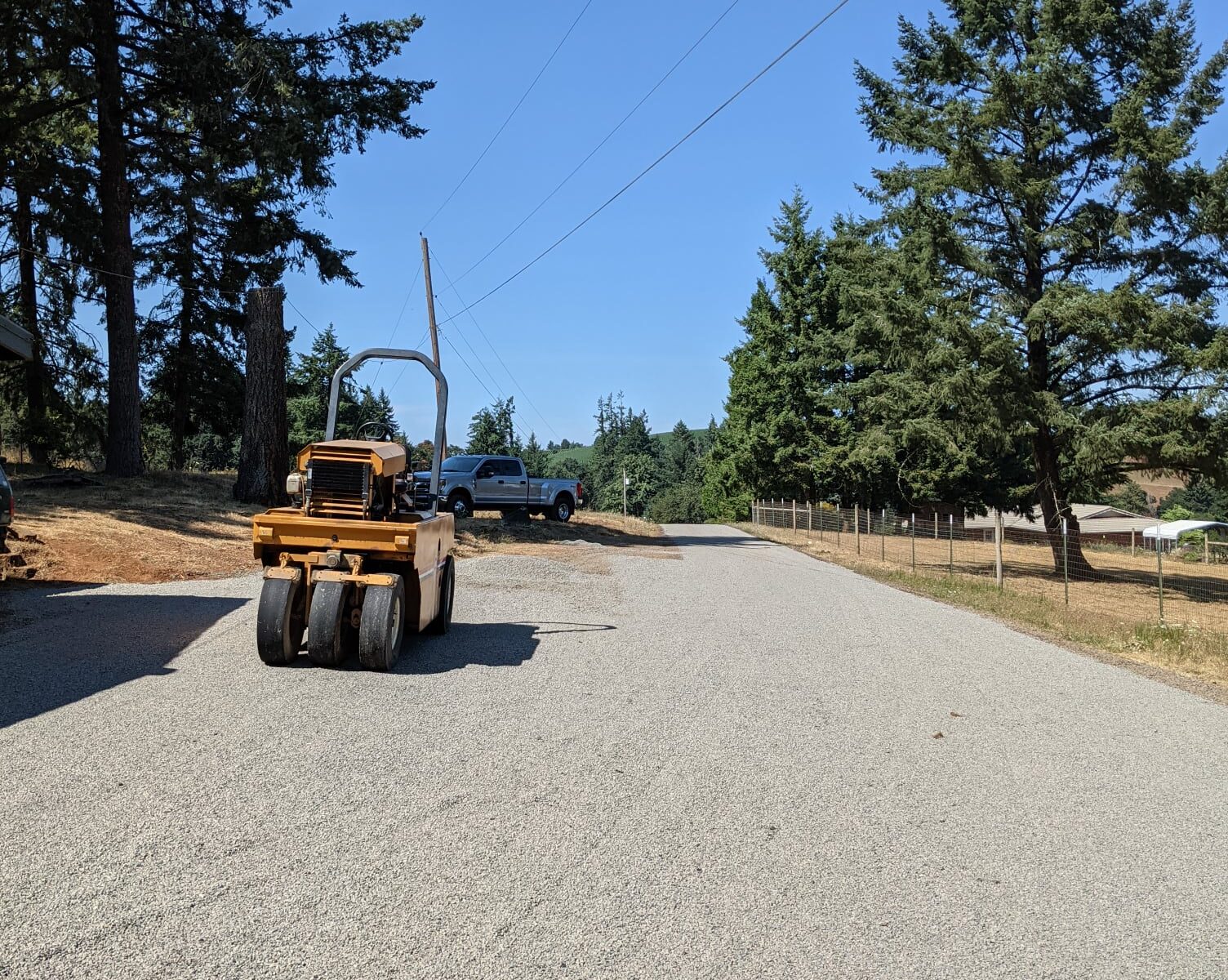
Understanding Chip Seal for Homeowners in Colorado
Chip seal is an effective way to maintain and preserve road surfaces, especially in Colorado, where varying weather conditions can take a toll on pavement. This method involves applying a layer of asphalt followed by an aggregate material, creating a durable surface that can withstand the state’s fluctuating temperatures and heavy snowfall. Whether you’re a homeowner in Fort Collins, managing an HOA in Colorado Springs, or maintaining a ranch lane near Durango, understanding chip seal can help you make informed decisions about your road maintenance needs.
Chip Seal Benefits in Colorado
In Colorado, the benefits of chip seal are particularly relevant due to the state’s unique climate and traffic patterns. The combination of sun, snow, and rain can lead to quick wear and tear on road surfaces. Chip seal offers several advantages:
1. **Cost-Effectiveness**: Chip seal is generally less expensive than traditional asphalt overlays, making it a popular choice for homeowners and local governments looking to stretch their budgets.
2. **Durability**: With proper application, chip seal can extend the life of your road by sealing cracks and providing a new surface layer that resists moisture penetration.
3. **Improved Traction**: The aggregate used in chip seal provides better traction, which is particularly important during Colorado’s winter months when roads can become icy.
4. **Versatility**: Chip seal can be applied to a variety of surfaces, from residential driveways in Boulder to rural county roads in the San Luis Valley.
The ability to adapt chip seal to different environments makes it a suitable option for various locations across Colorado, ensuring that roads remain safe and functional for all types of traffic.
Practical Uses for Chip Seal in Colorado
While chip seal has many advantages, it’s essential to recognize where it excels and where other methods might be more suitable. Here are some practical uses for chip seal in Colorado:
- Driveways: A great option for residential properties, providing a durable surface at a lower cost than asphalt.
- HOA Streets: Ideal for neighborhood roads that see moderate traffic and need regular maintenance.
- Farm Roads: Perfect for rural areas where heavy agricultural machinery frequently travels.
- Parking Lots: Cost-effective for commercial lots that require a resilient surface without the expense of new asphalt.
However, there are situations where asphalt overlays or new asphalt might be a better fit. For example, if your road has severe damage or structural issues, a complete asphalt overlay may be necessary. Additionally, if you’re dealing with high-traffic areas like major thoroughfares in Denver, a new asphalt surface may provide the durability needed to handle heavier loads.
Maintenance Tips and Common Mistakes
Proper maintenance is crucial to maximizing the lifespan of a chip seal surface. Here are some tips and common mistakes to avoid:
- Regular Inspections: Check for cracks and surface wear regularly to catch issues early.
- Timely Repairs: Address small cracks and chips before they expand into larger problems.
- Avoid Heavy Loads: Don’t allow heavy vehicles to park on fresh chip seal until it has fully cured.
- Use the Right Aggregate: Ensure the aggregate used matches local conditions for optimal performance.
- Don’t Skip Sealing: Reapply sealant as needed to maintain surface integrity and prevent moisture damage.
By adhering to these tips, homeowners and property managers can ensure their chip seal surfaces remain in good condition for years to come, providing a safe and reliable route for vehicles.
When planning a chip seal project in Colorado, several local factors should be considered. First, the state experiences distinct seasons, so timing is critical. The best months for chip seal applications are typically late spring through early fall, avoiding the winter freeze and summer thunderstorms.
Aggregate availability also plays a role. Different regions may have varying types of stone, which can affect the final surface texture and performance. For example, in the mountainous areas around Aspen, you may find different aggregates than those available in the plains near Greeley.
Lastly, consider the difference between urban and rural settings. Urban areas like Denver may have more stringent regulations regarding road maintenance, while rural areas might prioritize cost-effectiveness and durability over aesthetic concerns.
Next Steps
Ready to plan a chip seal project in Colorado? Contact us. See Colorado chip seal guidance.
Practical chip seal guidance for Colorado—best uses, maintenance, and common mistakes. Get local timing and contractor tips for your project. Learn more at ch