

Understanding Chip Seal in Virginia
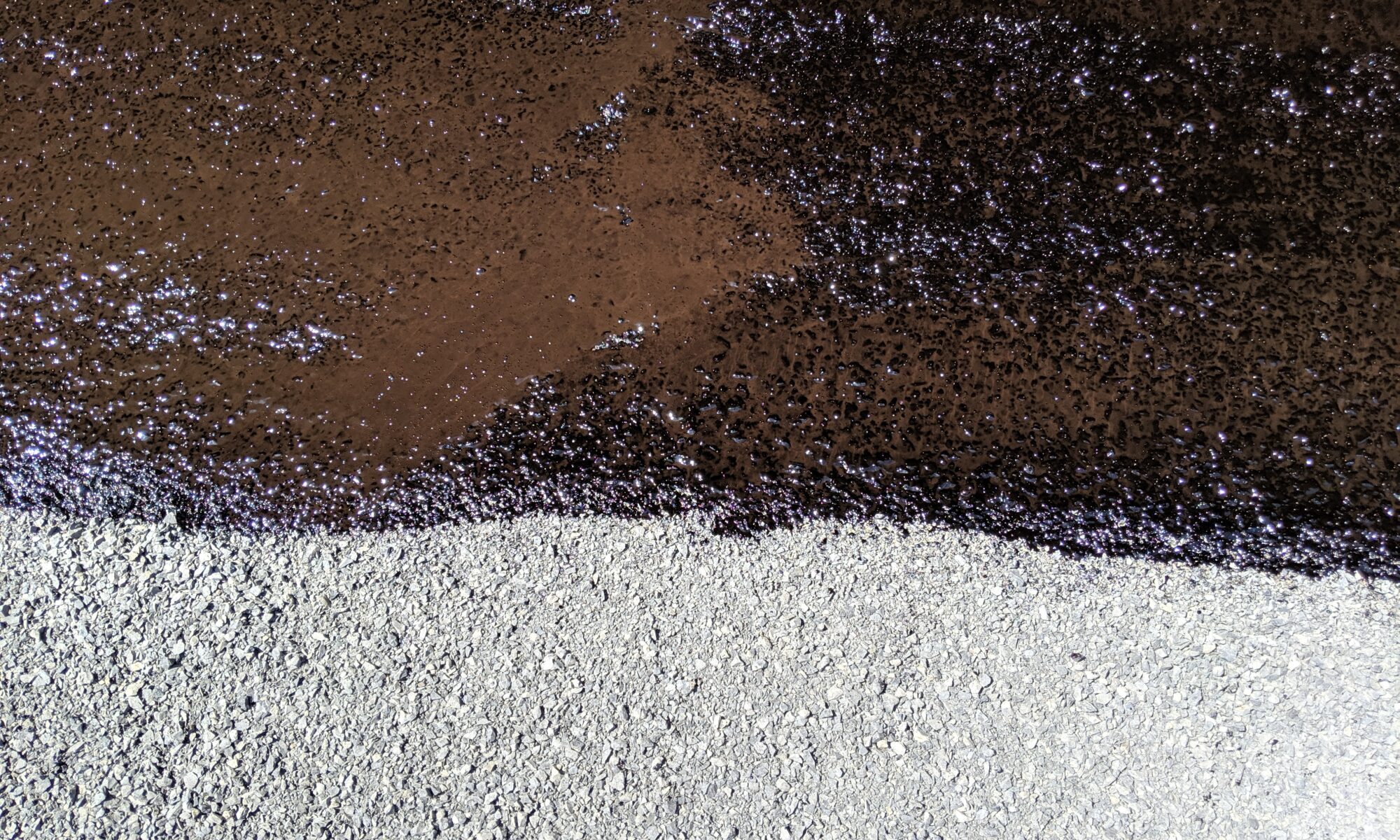
Chip seal is a practical solution for maintaining and enhancing the durability of roads and driveways in Virginia. This method combines a layer of asphalt emulsion with aggregate materials, creating a strong, weather-resistant surface. In a state that experiences a variety of weather conditions—from humid summers to icy winters—chip seal can effectively extend the lifespan of many surfaces, including those found in residential areas, farms, and commercial properties.
Virginia’s diverse climate and traffic patterns can significantly influence the effectiveness of chip seal. For example, in bustling cities like Richmond, where traffic is heavy, chip seal can help manage wear and tear on roads. Meanwhile, in more rural areas like Abingdon, chip seal is a cost-effective way to maintain farm lanes and private roads, ensuring they remain accessible in all seasons.
Benefits of Chip Seal for Different Locations in Virginia
The benefits of chip seal can vary based on the location and its specific needs. Here are some practical applications where chip seal is especially useful:
- Driveways: Chip seal provides a durable surface that can withstand the weight of vehicles and the impact of weather.
- HOA Streets: This method is ideal for maintaining neighborhood roads, offering a smooth finish at a lower cost compared to full asphalt paving.
- Farm Roads: Rural areas benefit greatly from chip seal as it can improve access to fields and barns without the need for extensive construction.
- Parking Lots: Commercial properties can utilize chip seal to create a functional parking area that handles both vehicle and foot traffic efficiently.
For many homeowners, chip seal might be the right choice, especially if they live in areas like Virginia Beach, where the coastal climate can wear down traditional surfaces quickly. However, it’s essential to consider when asphalt overlays or new asphalt might be more appropriate.
When to Choose Chip Seal vs. Other Options
While chip seal offers many advantages, there are situations where it might not be the best fit. Here’s a quick guide to help you decide:
- Choose Chip Seal: When you need a cost-effective solution for maintaining existing surfaces, especially in low to moderate traffic areas.
- Consider Asphalt Overlays: If the existing surface is severely damaged or has significant structural issues, an overlay may provide better long-term results.
- Opt for New Asphalt: When building new roads or driveways from scratch, new asphalt is often the better choice for a smooth and lasting finish.
By understanding the specific needs of your property, whether it’s in urban centers like Alexandria or rural regions like Luray, you can make an informed decision that aligns with your goals and budget.
Maintenance Checklist for Chip Seal Surfaces
To ensure your chip seal surface remains in good condition, consider the following maintenance tips:
- Regular Inspections: Check for cracks or loose aggregate regularly, especially after heavy rains or snow.
- Debris Removal: Keep the surface clear of leaves, dirt, and other debris that can trap moisture and cause damage.
- Reapplication: Depending on traffic levels and weather conditions, consider reapplying chip seal every 5-7 years.
- Avoid Heavy Loads: Keep heavy vehicles off the surface until it has fully cured to prevent deformation.
- Proper Drainage: Ensure that water drains away from the surface to prevent pooling, which can weaken the material.
By following these guidelines, you can help extend the life of your chip seal surface, keeping it functional and visually appealing.
Local Considerations for Chip Seal in Virginia
When planning a chip seal project in Virginia, it’s crucial to consider local factors that can influence the outcome. The state experiences a range of weather conditions, with hot, humid summers and cold, wet winters. This variability means that timing your project is essential. Typically, late spring to early fall is the best window for chip seal applications, as temperatures need to be warm enough for the emulsion to set properly.
Additionally, the availability of aggregate materials can vary by region. In urban areas like Norfolk, you may find a wider selection of materials compared to more rural regions. It’s important to choose the right chip size for your specific needs, as larger aggregates are better suited for high-traffic areas, while smaller chips work well for residential applications.
Finally, consider the differences between rural and urban conditions. In cities, traffic patterns can be more predictable, while rural locations may deal with agricultural traffic that requires a more robust surface. Understanding these local factors can help you achieve the best results from your chip seal project.
Next Steps
Ready to plan a chip seal project in Virginia? Contact us. See Virginia chip seal guidance.
Practical chip seal guidance for Virginia—best uses, maintenance, and common mistakes. Get local timing and contractor tips for your project. Learn more at ch