

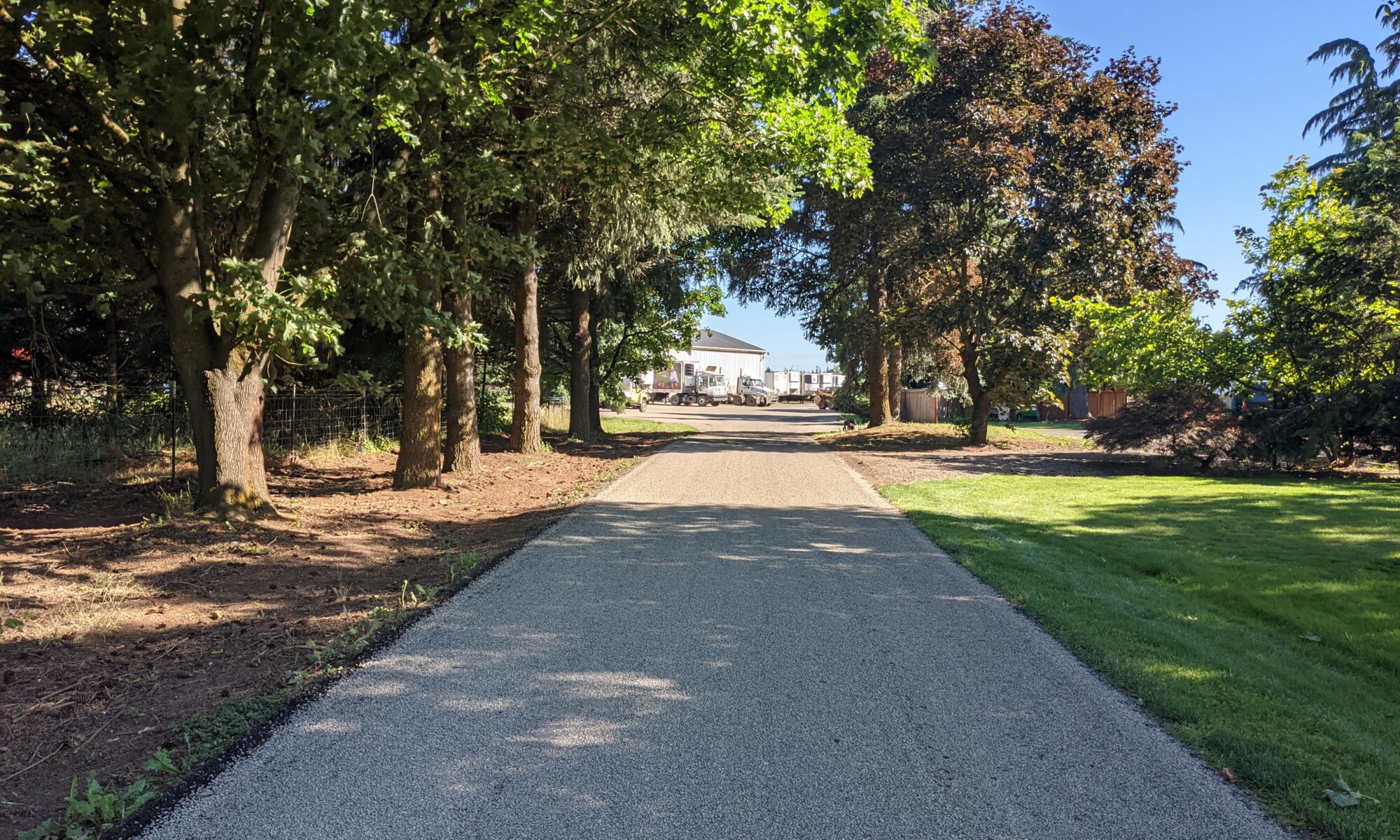
Understanding Chip Seal in Texas
Chip seal is a popular choice for maintaining and improving road surfaces across Texas. This method combines layers of asphalt emulsion and aggregate, creating a durable surface that can withstand the state’s diverse climate and heavy traffic. From the bustling streets of Houston to the quiet lanes of Fredericksburg, chip seal provides a reliable solution for homeowners, municipalities, and rural areas alike.
Texas experiences a mix of weather conditions, from hot summers to occasional ice storms in the winter. These fluctuations can lead to wear and tear on road surfaces. Chip seal acts as a protective layer, extending the life of existing asphalt and enhancing the overall functionality of roads. Whether you’re in a large city or a small town, understanding the benefits of chip seal can help you make informed decisions about your paving needs.
Benefits of Chip Seal in Various Texas Locations
In Texas, the application of chip seal is particularly effective due to the state’s unique climate and traffic patterns. Areas like San Antonio and Lubbock face high traffic volumes, which can accelerate road deterioration. Chip seal is ideal for these regions as it helps to seal cracks and prevent water infiltration, which can lead to more severe damage.
For residential areas, such as those in Round Rock and Cedar Park, chip seal offers a cost-effective solution for maintaining driveways and private roads. The method is also suitable for various types of roadways, including:
- Driveways: Provides a durable surface that can handle regular vehicle traffic.
- HOA Streets: Enhances curb appeal and safety in residential communities.
- Farm Roads: Protects against wear from agricultural vehicles and equipment.
- Parking Lots: Offers a strong, skid-resistant surface for commercial properties.
By choosing chip seal, homeowners and property managers in Texas can enjoy long-lasting results while minimizing maintenance costs.
When to Choose Chip Seal vs. Asphalt Overlays
While chip seal has its advantages, there are situations where an asphalt overlay or new asphalt may be a better fit. Here’s a quick comparison to help you decide:
- Choose Chip Seal When:
- Your existing surface is structurally sound but needs a refresh.
- Budget constraints make a full asphalt replacement impractical.
- You want to improve traction and reduce dust on rural roads.
- Choose Asphalt Overlays When:
- The existing pavement has extensive cracking or structural damage.
- You require a smooth, finished surface for high-traffic areas.
- You want to enhance the aesthetic appeal of a commercial property.
Making the right choice depends on the current condition of your pavement, your budget, and the intended use of the surface.
Maintenance Tips for Chip Seal in Texas
To ensure your chip seal surface remains in good condition, it’s essential to follow a maintenance checklist. Here are some tips to keep in mind:
- Regular Inspections: Check for cracks or loose stones to address issues early.
- Seal Cracks Promptly: Use a suitable sealant to prevent water damage.
- Keep the Surface Clean: Remove debris and vegetation to maintain drainage.
- Avoid Heavy Loads: Limit the weight of vehicles on newly applied surfaces until fully cured.
- Consider Re-sealing: After a few years, a new layer of chip seal can extend the life of the surface.
By adhering to these maintenance practices, you can maximize the lifespan of your chip seal application and avoid costly repairs down the road.
Local Considerations for Chip Seal Projects in Texas
When planning a chip seal project in Texas, it’s essential to consider local conditions that can affect the application. Weather patterns vary significantly across the state, influencing the best time for installation. For example, areas like Dallas often have milder winters, making it easier to schedule projects year-round. In contrast, regions like Amarillo may experience harsher weather, requiring careful planning to avoid application during wet or extremely cold periods.
Additionally, the availability of suitable aggregate can impact your project. Texas has a variety of aggregates, from fine sands to larger stones, which can be tailored to meet specific needs. Understanding the local supply can help ensure you select the right materials for your chip seal project.
Lastly, consider the differences between urban and rural settings. In urban areas, such as Austin, noise and traffic disruptions may require scheduling work during off-peak hours. Conversely, rural areas might have more flexibility, allowing for longer work periods without significant interruptions.
Next Steps
Ready to plan a chip seal project in Texas? Contact us. See Texas chip seal guidance.
Practical chip seal guidance for Texas—best uses, maintenance, and common mistakes. Get local timing and contractor tips for your project. Learn more at chips