

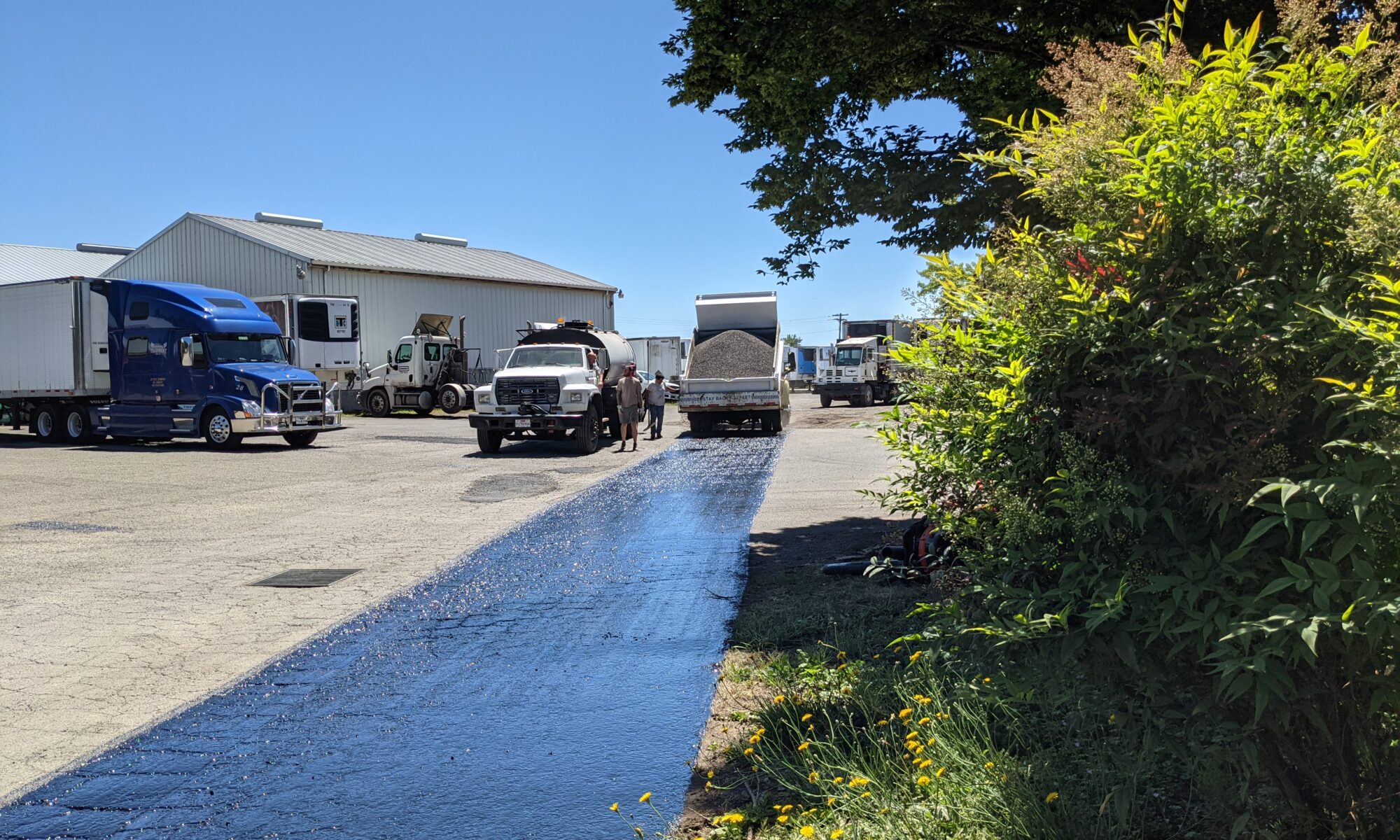
Understanding Chip Seal in Minnesota
Chip seal is a popular choice for maintaining and extending the lifespan of road surfaces in Minnesota. This method combines asphalt emulsion with aggregate, creating a durable surface that can handle the state’s varying climate and traffic conditions. From urban areas like Minneapolis to rural regions near Bemidji, homeowners and local governments are recognizing the benefits of this cost-effective solution.
In Minnesota, the weather plays a significant role in road maintenance. The freeze-thaw cycles can be harsh, leading to cracks and potholes in traditional asphalt surfaces. Chip seal provides a protective layer that helps to seal these vulnerabilities, making it especially useful for residential driveways, HOA streets, and county roads. For instance, in cities like Rochester, where traffic can be heavy, chip seal can offer a robust surface that withstands daily wear and tear.
Benefits of Chip Seal for Minnesota Homeowners
Homeowners in Minnesota can find numerous advantages to using chip seal on their properties. This method is particularly effective for various surfaces, including:
- Driveways: Chip seal creates a textured surface that improves traction, making it safer for vehicles in icy conditions.
- HOA Streets: Neighborhood streets benefit from the quick application process and reduced maintenance costs.
- Farm Roads: Rural routes can be easily treated with chip seal, providing a durable path for agricultural vehicles.
In smaller towns like Stillwater, where budgets may be tighter, the affordability of chip seal compared to full asphalt overlays is a significant consideration. Additionally, the installation process is relatively quick, allowing for minimal disruption to daily life.
When to Choose Chip Seal vs. Other Options
While chip seal offers numerous benefits, there are instances when alternative solutions may be more suitable. It’s essential to evaluate the specific needs of your project before making a decision. Here’s a quick breakdown:
- Choose Chip Seal When:
- Your surface has minor damage and needs maintenance.
- You’re looking for a cost-effective solution for large areas.
- Quick application is necessary to minimize disruption.
- Consider Asphalt Overlays When:
- Your surface has extensive damage or deep cracks.
- You need a smooth, finished look, especially for commercial properties.
- You want a longer-lasting solution for high-traffic areas.
In urban settings like St. Paul, where aesthetics are critical, opting for an asphalt overlay might be preferable. However, in rural areas or for less trafficked roads, chip seal remains an ideal solution.
Maintenance Tips for Chip Seal Surfaces
Proper maintenance is key to ensuring the longevity of your chip seal surface. Here are some essential tips for homeowners and property managers in Minnesota to follow:
- Regular Inspections: Check for any signs of wear or damage, especially after harsh weather.
- Prompt Repairs: Address any cracks or potholes as soon as they appear to prevent further deterioration.
- Keep Drains Clear: Ensure that drainage systems are functioning correctly to avoid water pooling on the surface.
- Avoid Heavy Loads: Be cautious with heavy vehicles, especially soon after installation, to prevent damage.
- Reapply as Needed: Depending on traffic levels and weather exposure, consider reapplying chip seal every 5-7 years.
These practices can help maintain the integrity of your chip seal surface and extend its lifespan.
Local Considerations for Chip Seal in Minnesota
When planning a chip seal project in Minnesota, several local factors should be considered. Understanding the regional climate and material availability can influence the timing and success of your project.
Seasonality is a crucial aspect. The ideal time for chip seal application is typically late spring to early fall when temperatures are consistently warm. This allows the asphalt emulsion to cure properly. Minnesota’s cold winters can be particularly harsh, so planning your project during warmer months ensures better results.
Additionally, the availability of aggregates can vary by location. In urban areas like Minneapolis, you may have access to a wider range of materials, while rural areas might have more limited options. It’s essential to choose the right chip size for your specific application, as this can affect the surface’s texture and durability.
Lastly, consider the urban versus rural conditions. In cities like Duluth, traffic levels are higher, and road surfaces may require more frequent maintenance. In contrast, rural roads may experience less wear but can be exposed to agricultural traffic, which may necessitate a different approach.
Next Steps
Ready to plan a chip seal project in Minnesota? Contact us. See Minnesota chip seal guidance.
Practical chip seal guidance for Minnesota—best uses, maintenance, and common mistakes. Get local timing and contractor tips for your project. Learn more at c