

Understanding Chip Seal in Alabama
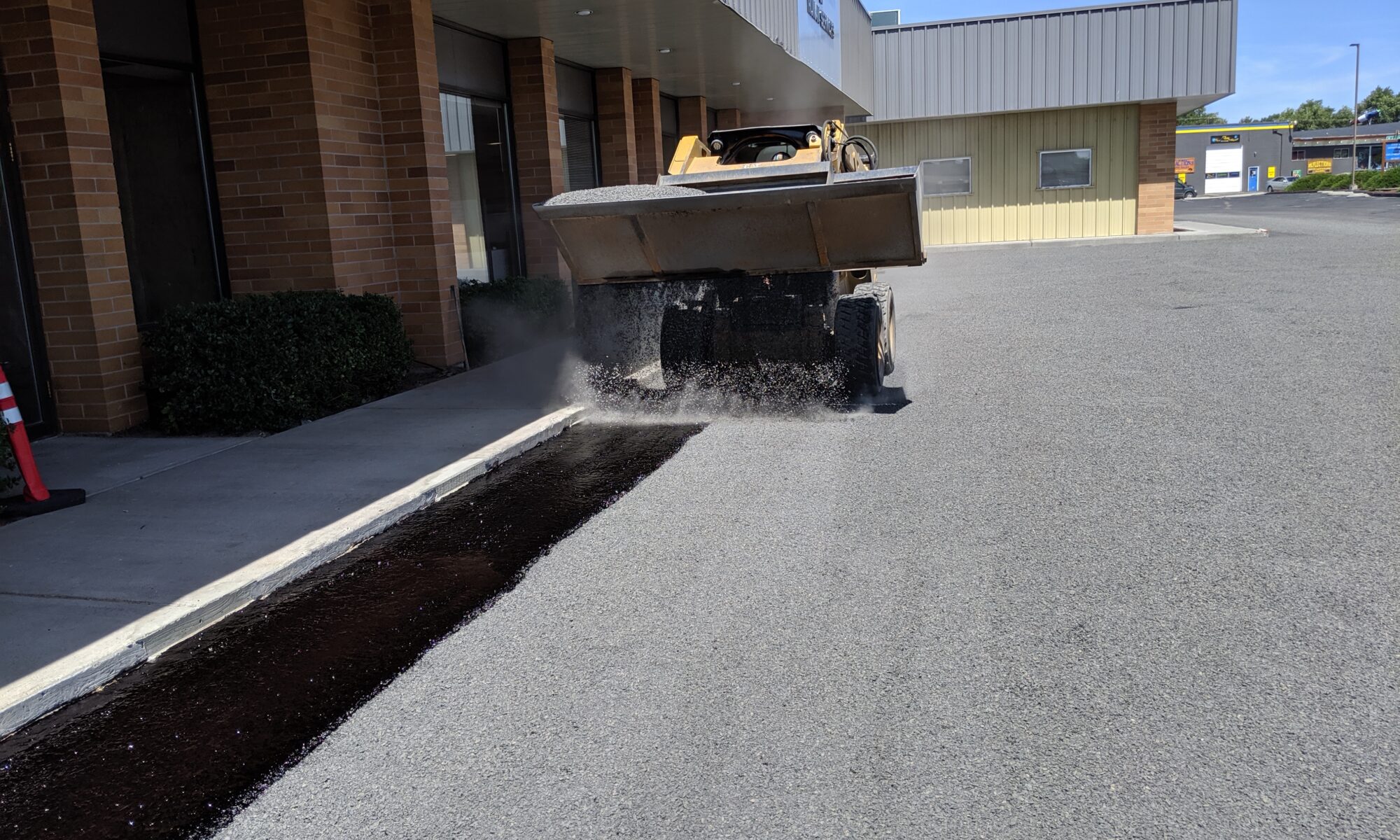
Chip seal has become a popular choice for many homeowners and municipalities in Alabama looking to maintain their roads and driveways. This method involves applying a layer of asphalt emulsion followed by a layer of aggregate, which creates a durable surface. Given Alabama’s diverse climate and varying traffic conditions, chip seal can offer an effective solution for preserving and enhancing roadways.
In Alabama, factors such as humidity, heat, and frequent rain can impact road surfaces. Cities like Birmingham, known for their bustling urban life, and smaller towns like Fairhope, with their charming residential streets, face unique challenges when it comes to road maintenance. Chip seal is particularly effective in these areas, as it provides a good balance between durability and cost-effectiveness.
Why Choose Chip Seal in Alabama?
Chip seal is an attractive option for various types of surfaces in Alabama. Homeowners and local governments can benefit from its quick application process and relatively low maintenance requirements. Here are some specific benefits for different sites:
- Driveways: Chip seal can enhance the appearance and longevity of residential driveways without the high costs associated with new asphalt.
- HOA Streets: Many homeowners’ associations in cities like Huntsville opt for chip seal to keep their streets looking great and safe for residents.
- County Roads: Rural areas, such as those around Selma, often use chip seal to manage costs while maintaining essential access routes.
Moreover, chip seal is suitable for roads that experience moderate traffic. It can withstand the wear and tear from vehicles while providing a skid-resistant surface.
Where Chip Seal Works Best
While chip seal is beneficial in many scenarios, it may not be the best choice for every situation. Here’s a quick guide to help you decide when to use chip seal versus other options like asphalt overlays or new asphalt:
- Use Chip Seal For:
- Residential driveways that need resurfacing.
- Low to moderate traffic streets, especially in rural areas.
- Farm roads that require a durable yet affordable surface.
- Consider Asphalt Overlays For:
- High-traffic roads needing extensive repairs.
- Commercial lots with heavy vehicle loads.
- Streets requiring a smooth finish for aesthetics.
Understanding the right application for chip seal can save you time and money in the long run.
Maintenance and Common Mistakes
To ensure the longevity of your chip seal surface, it’s crucial to follow some best practices. Here are a few tips to keep your surface in top shape:
- Regular Inspections: Check for cracks or loose stones at least twice a year.
- Prompt Repairs: Address any damage immediately to prevent further deterioration.
- Avoid Heavy Loads: Limit the weight of vehicles during the curing process to prevent indentations.
- Proper Drainage: Ensure that water drains away from the surface to prevent erosion.
- Keep It Clean: Regularly remove debris and leaves, which can trap moisture.
Avoiding these common pitfalls will help maintain the integrity of your chip seal surface.
Local Considerations for Chip Seal in Alabama
When planning a chip seal project in Alabama, consider local factors that can affect the outcome. The state experiences a humid subtropical climate, which means rainy seasons can impact the timing of your project. Ideally, chip seal should be applied during dry periods to ensure proper adhesion and longevity.
Aggregate availability is another important factor. In urban areas like Montgomery, you may find a wider variety of aggregate sizes compared to rural areas. The typical chip sizes used in Alabama can vary, so it’s essential to consult with local contractors to choose the right type for your project.
Lastly, consider the differences between urban and rural conditions. Urban areas may have stricter regulations and higher traffic levels, while rural areas might prioritize cost-effectiveness and durability for less-traveled roads.
Next Steps
Ready to plan a chip seal project in Alabama? Contact us. See Alabama chip seal guidance.
Practical chip seal guidance for Alabama—best uses, maintenance, and common mistakes. Get local timing and contractor tips for your project. Learn more at chi