

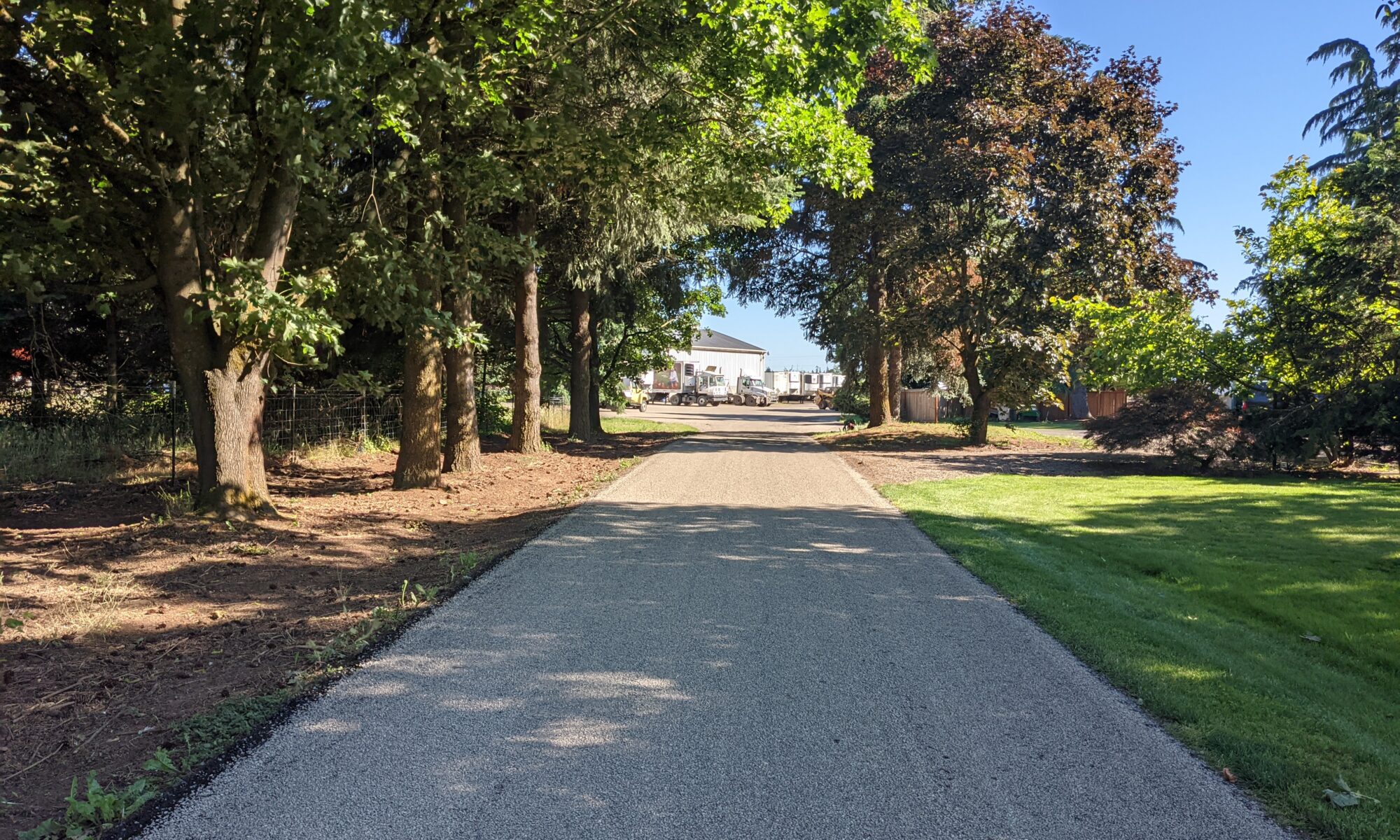
Understanding Chip Seal Applications in Georgia
Chip sealing is a popular surface treatment for roads and driveways in Georgia. This method combines a layer of asphalt with small stones to create a durable surface. With Georgia’s unique climate and traffic patterns, chip seal offers a practical solution for homeowners and local municipalities alike.
In cities like Atlanta, where traffic is heavy, chip seal can help extend the life of roads without the need for a complete overhaul. On the other hand, rural areas such as Dawsonville can benefit from chip seal on less-traveled roads and farm lanes. The versatility of this method makes it suitable for various applications throughout the state.
Climate and Traffic Impact on Chip Seal in Georgia
Georgia’s climate plays a significant role in the effectiveness of chip seal. The state experiences hot summers and mild winters, which can affect the materials used and the timing of application. In the warmer months, the asphalt binder used in chip seal can properly cure, creating a strong bond with the aggregate.
Traffic levels also influence the decision to use chip seal. High-traffic areas, such as those found in metropolitan regions like Savannah, may require more robust treatments. However, in smaller towns like Statesboro, chip sealing can provide an affordable and effective solution for residential streets and driveways.
Additionally, the type of aggregate used can vary based on local availability. For instance, the granite found in North Georgia is often used for chip seal applications, providing a durable surface that can withstand Georgia’s weather conditions.
When to Choose Chip Seal Over Other Options
Choosing the right surface treatment for your road or driveway can be challenging. Chip seal is an excellent choice for specific applications, but it may not always be the best option. Here are some scenarios where chip seal is a good fit, as well as cases where asphalt overlays or new asphalt may be a better choice.
Good Fit for Chip Seal:
- Driveways: Ideal for residential properties, providing a durable surface at a lower cost than full asphalt.
- HOA Streets: Great for neighborhoods with moderate traffic, helping to maintain road quality without significant investment.
- Farm Roads: Perfect for rural areas, chip seal can handle the wear from farm vehicles and equipment.
- Parking Lots: Suitable for commercial spaces with lower traffic volumes, offering a cost-effective surface treatment.
Better Options for Asphalt Overlays or New Asphalt:
- High-Traffic Roads: Areas with heavy truck or commuter traffic may need more robust asphalt overlays.
- Severely Damaged Surfaces: Roads with significant cracking or structural issues may require new asphalt for proper repair.
- Urban Areas: In densely populated cities, a full asphalt surface may be necessary to handle the demands of city traffic.
Maintenance Tips for Chip Seal in Georgia
Maintaining your chip seal surface is crucial for its longevity. Here are some tips to keep in mind for proper upkeep:
- Regular Inspections: Check for signs of wear or damage, such as loose stones or cracks.
- Prompt Repairs: Address any issues immediately to prevent further damage and extend the life of the surface.
- Keep It Clean: Remove debris, leaves, and dirt to prevent moisture retention, which can damage the surface.
- Avoid Heavy Loads: Limit the use of heavy vehicles on chip seal surfaces to prevent premature wear.
- Seal Coating: Consider applying a seal coat every few years to maintain the integrity of the surface.
Local Considerations for Chip Seal Projects in Georgia
When planning a chip seal project in Georgia, several local factors should be considered. The state’s seasonality and weather patterns can impact the timing of your project. The best time to apply chip seal is during the warmer months, typically from late spring through early fall. This ensures the asphalt binder cures properly and adheres well to the aggregate.
Aggregate availability is another important consideration. In areas like Macon, local suppliers may have specific types of stone that work best for chip seal applications. It’s essential to choose the right aggregate size to ensure a smooth finish and proper drainage.
Urban versus rural conditions also play a role in planning. In cities like Columbus, where traffic is heavier, chip seal may need more frequent maintenance. In contrast, rural areas may see less wear, allowing for longer intervals between maintenance.
Next Steps
Ready to plan a chip seal project in Georgia? Contact us. See Georgia chip seal guidance.
Practical chip seal guidance for Georgia—best uses, maintenance, and common mistakes. Get local timing and contractor tips for your project. Learn more at chi