

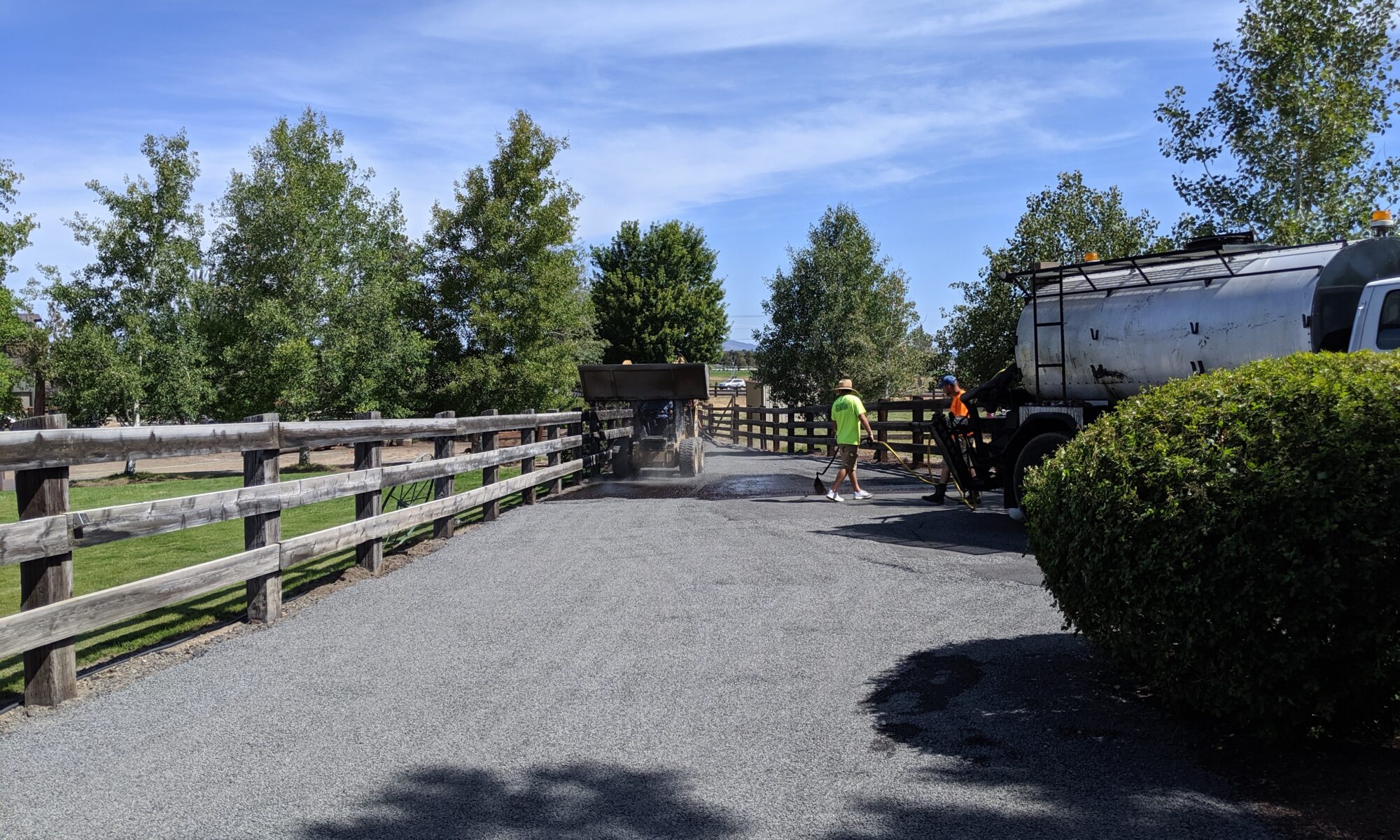
Choosing Chip Seal for Your North Carolina Roads
Chip seal is an effective and cost-efficient method for maintaining and improving road surfaces, especially in North Carolina. This technique combines asphalt emulsion with aggregate to create a durable surface that can withstand the state’s varied climate and traffic conditions. In cities like Charlotte and smaller towns like Boone, homeowners and local governments are discovering the benefits of using chip seal for their driveways, HOA streets, and rural roads.
Understanding Chip Seal in North Carolina
North Carolina experiences a mix of climates, from the humid subtropical conditions in the east to the temperate climate in the mountainous west. This variability affects how chip seal performs across the state. In areas like Charlotte, where traffic levels are high and temperatures can fluctuate significantly, chip seal provides an excellent solution for maintaining road quality. The aggregate used in chip seal can be tailored to withstand the local weather patterns, ensuring long-lasting performance.
In contrast, smaller towns like Boone might see less traffic but still benefit from chip seal on their rural lanes. The application of chip seal can help protect roads from wear caused by rain and temperature changes while providing a rough surface that enhances traction.
When to Choose Chip Seal Over Other Options
While chip seal is a great option for many surfaces, there are situations where other solutions may be more suitable. Understanding when to choose chip seal over asphalt overlays or new asphalt can save you time and money. Here are some examples:
- Driveways: Chip seal is ideal for residential driveways that need a durable, low-maintenance surface.
- HOA Streets: If you’re part of a homeowners association, chip seal can provide a cost-effective solution for maintaining community roads.
- Farm Roads: The grip provided by chip seal is excellent for rural areas where dirt and gravel roads may need stabilization.
- Parking Lots: For commercial properties, chip seal can extend the life of parking surfaces without high costs.
If you’re considering a new driveway or a surface for a busy parking lot, it’s essential to evaluate your specific needs before deciding on the best material.
Maintenance Tips for Chip Seal in North Carolina
To ensure your chip seal surface remains in good condition, it’s important to follow some maintenance guidelines. Here are several tips to keep in mind:
- Regular Inspections: Check for cracks or potholes and address them promptly to prevent further damage.
- Clear Debris: Keep the surface free of leaves, dirt, and other debris that can hold moisture and lead to deterioration.
- Avoid Heavy Loads: Be cautious with heavy vehicles, especially soon after application, as they can cause ruts.
- Seal Cracks: Apply a sealant to any cracks that form to prevent water intrusion.
- Reapply as Needed: Depending on traffic levels and wear, consider reapplying chip seal every 5-10 years.
By following these maintenance tips, you can prolong the life of your chip seal surface and maintain its appearance.
Local Considerations for Chip Seal in North Carolina
When planning a chip seal project in North Carolina, consider local factors that can influence the process. The state has distinct seasons, which can affect the timing of your project. Spring and early fall are often the best times to apply chip seal, as temperatures are moderate and rainfall is less frequent.
Additionally, aggregate availability can vary by region. In urban areas like Raleigh, you may have access to a wider variety of aggregates, while rural regions might have limited options. The size of the chips used can also differ; larger chips may be preferred for high-traffic areas, while smaller chips can be used where a smoother finish is desired.
Cities like Asheville and Wilmington offer unique challenges and opportunities regarding chip seal applications. Asheville, with its mountainous terrain, may require a more robust chip seal solution to handle inclines and weather exposure, while Wilmington’s coastal climate could necessitate additional considerations for moisture and salt exposure.
Next Steps
Ready to plan a chip seal project in North Carolina? Contact us. See North Carolina chip seal guidance.
Practical chip seal guidance for North Carolina—best uses, maintenance, and common mistakes. Get local timing and contractor tips for your project. Learn more