

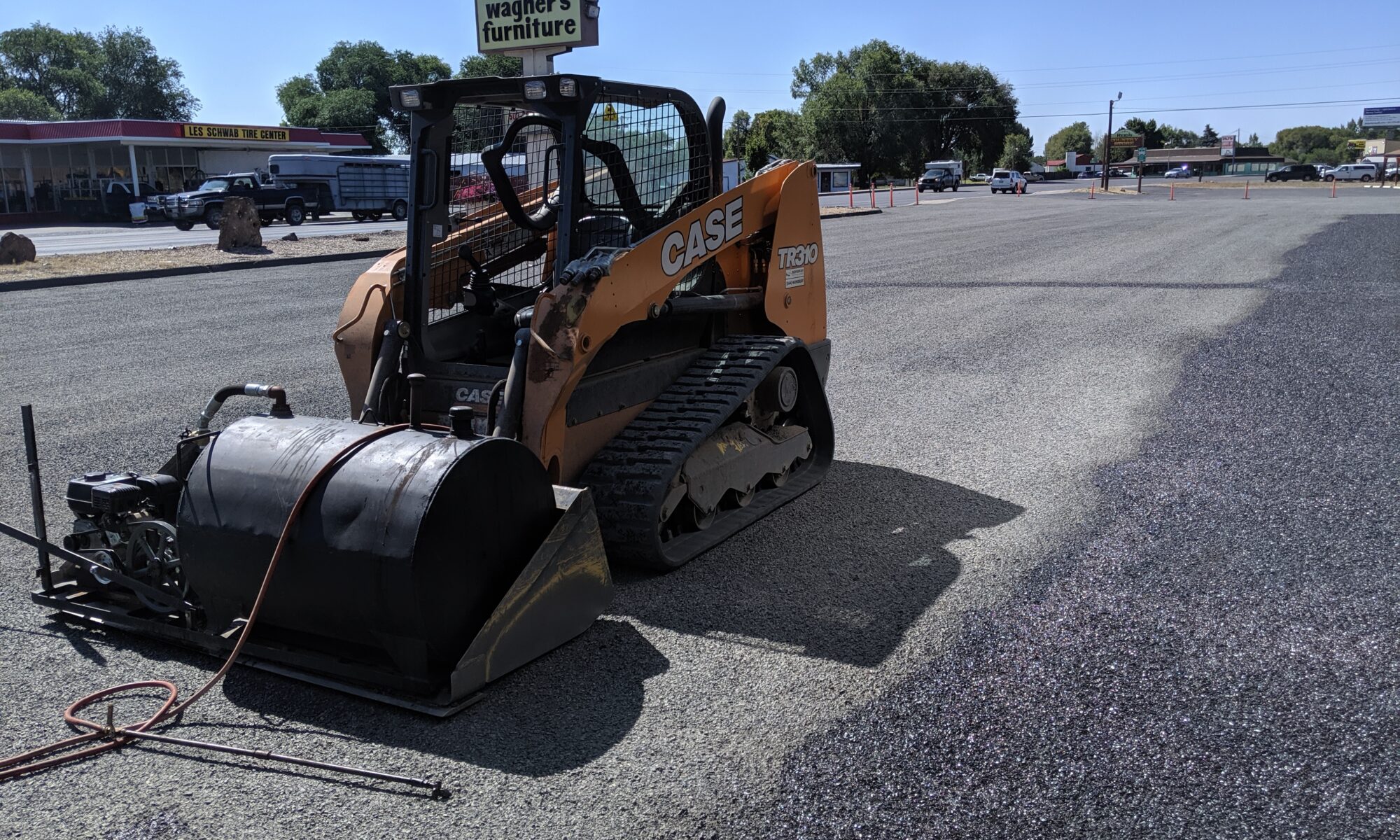
Understanding Chip Seal Applications in Florida
Chip seal is an effective method for maintaining and preserving road surfaces, especially in Florida, where the warm climate and heavy rainfall can take a toll on asphalt. Homeowners, businesses, and local governments often consider chip seal for driveways, private roads, and parking lots. This article will explore how chip seal works in Florida, its practical uses, and important considerations for homeowners and property managers.
The Benefits of Chip Seal in Florida
Florida’s unique climate presents both challenges and opportunities for maintaining road surfaces. The state experiences high temperatures and significant rainfall throughout the year, which can lead to rapid deterioration of asphalt surfaces. Chip seal offers a cost-effective solution by creating a durable surface that can withstand Florida’s weather conditions.
In cities like Orlando and smaller towns such as Mount Dora, the high traffic levels and frequent summer storms can damage roads quickly. Chip seal provides a protective layer that helps prevent water infiltration and reduces the likelihood of potholes and cracks. This method is particularly beneficial for various sites, including:
- Driveways: Chip seal can enhance the appearance and longevity of residential driveways.
- HOA Streets: Homeowners associations often use chip seal for community roads to maintain a uniform look and quality.
- County Roads: Many rural areas in Florida can benefit from chip seal to extend the life of less-traveled roads.
When to Choose Chip Seal vs. Other Options
While chip seal is an excellent option for many surfaces, it’s essential to know when it’s the best choice compared to other methods like asphalt overlays or new asphalt installation. Here are some situations where chip seal shines:
- Driveways: Ideal for homeowners looking for an affordable and effective surface treatment.
- HOA Streets: A great solution for maintaining community roads without the high costs associated with full asphalt replacement.
- Farm Roads: Chip seal can be applied to rural roads that see less traffic but still require durability.
- Parking Lots: Businesses can benefit from chip seal for a low-maintenance surface that stands up to Florida’s climate.
However, there are scenarios where asphalt overlays or new asphalt might be more appropriate:
- If the existing surface is severely damaged or has deep cracks, an overlay may be necessary.
- In high-traffic areas, new asphalt can provide a smoother and more durable surface.
Maintenance Tips for Chip Seal Surfaces
To ensure the longevity of your chip seal surface, regular maintenance is crucial. Here’s a checklist to help you keep your chip seal in top condition:
- Inspect regularly: Look for cracks or loose stones that may need attention.
- Seal cracks promptly: Use a sealant to fill in any cracks to prevent water damage.
- Clean the surface: Keep the area free of debris and vegetation that can affect drainage.
- Reapply as needed: Depending on the wear, consider reapplying chip seal every 5-7 years.
- Be cautious with heavy loads: Avoid allowing heavy vehicles to park on the surface for extended periods.
Local Considerations for Chip Seal in Florida
When planning a chip seal project in Florida, it’s essential to consider local factors that may impact the outcome. The state has distinct weather patterns and regional differences that can affect chip seal application.
For instance, in areas like Tampa, the humidity and frequent rain can influence the curing process. It’s best to schedule chip seal applications during the dry season, typically from late fall to early spring. Additionally, the availability of specific aggregates and chip sizes may vary across the state, so it’s crucial to consult with local contractors who understand the best materials for your area.
Rural areas may have different aggregate availability than urban locations, impacting the final look and durability of the surface. In smaller towns like Gainesville, local materials may provide unique aesthetic options that suit the community’s character.
Next Steps
Ready to plan a chip seal project in Florida? Contact us. See Florida chip seal guidance.
Practical chip seal guidance for Florida—best uses, maintenance, and common mistakes. Get local timing and contractor tips for your project. Learn more at chi