

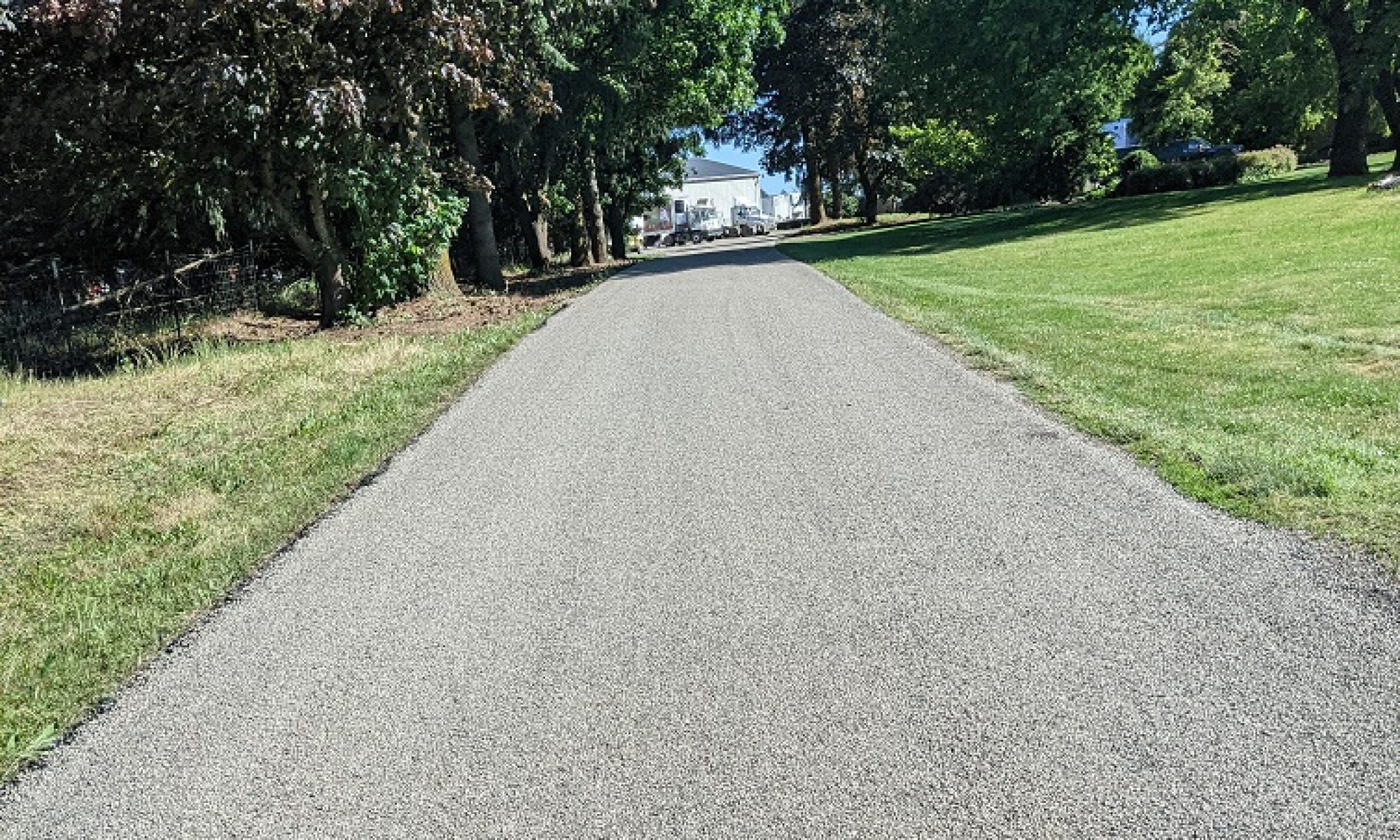
Understanding Chip Seal Applications in Texas
In Texas, chip seal has become a popular choice for maintaining road surfaces across various settings, from bustling city streets to rural ranch lanes. This method involves applying a layer of asphalt emulsion followed by a layer of aggregate, creating a durable surface that can withstand the state’s diverse climate and heavy traffic. Whether you live in a large city like Houston or a smaller town like Fredericksburg, understanding how chip seal can benefit your property is essential.
The unique climate in Texas—with its hot summers and mild winters—affects the longevity and performance of road surfaces. Chip seal is particularly effective in areas experiencing heavy traffic, as it provides a strong surface that can endure wear and tear. In urban areas like Austin, where traffic is constant, chip seal can help extend the life of roads while maintaining a smooth driving experience.
Benefits of Chip Seal for Different Locations in Texas
Chip seal offers several advantages depending on the type of location and usage. It’s essential to consider where this method is most effective and when alternatives like asphalt overlays or new asphalt might be better suited.
- Driveways: Chip seal is an excellent choice for residential driveways, providing a cost-effective and durable surface that enhances curb appeal.
- HOA Streets: Many homeowners associations choose chip seal for community roads, as it offers a reliable surface with minimal maintenance needs.
- Farm Roads: Rural areas benefit from chip seal due to its ability to withstand heavy agricultural traffic without significant deterioration.
- Parking Lots: Commercial lots can also utilize chip seal, offering a budget-friendly option for maintaining a clean and functional surface.
When deciding on the right surface treatment, homeowners and property managers should evaluate the specific needs of their locations. For instance, in a busy neighborhood in San Antonio, an asphalt overlay may be a better choice if the existing surface is severely damaged. Conversely, for less-trafficked roads or driveways, chip seal can be an ideal solution.
Maintenance Tips for Chip Seal Surfaces in Texas
To keep your chip seal surface in good condition, following a few maintenance tips can prevent premature wear and ensure longevity. Here are some common mistakes to avoid and best practices to follow:
- Regular Inspections: Check for cracks or loose stones regularly to catch issues early.
- Proper Drainage: Ensure that water drains away from the surface to prevent damage from pooling.
- Avoid Heavy Loads: Limit the weight on chip seal surfaces to avoid premature wear, especially in rural areas.
- Timely Repairs: Address any issues promptly to avoid larger problems down the line.
- Clear Debris: Regularly sweep or blow off leaves and dirt to maintain the surface integrity.
By implementing these maintenance practices, property owners can extend the life of their chip seal surfaces and maintain their appearance.
Local Considerations for Chip Seal in Texas
When planning a chip seal project in Texas, several local factors come into play. The state’s climate can dictate the best times for application, while aggregate availability affects the options for chip sizes.
In areas like Lubbock, where the summer heat can be intense, it’s best to schedule chip seal applications during the milder months of spring or fall. This timing not only improves the quality of the application but also enhances the overall durability of the surface.
Additionally, the type of aggregate used can vary by region. In urban settings, such as Dallas, homeowners may prefer finer aggregates for aesthetic reasons, while rural areas may opt for larger stones to accommodate heavier traffic. Understanding the local conditions and materials available is crucial for a successful chip seal project.
Urban versus rural conditions also play a role in the effectiveness of chip seal. Urban roads may face more wear due to higher traffic volumes, while rural roads might experience challenges from agricultural vehicles. Knowing these differences can help property owners make informed decisions about their surfaces.
Next Steps
Ready to plan a chip seal project in Texas? Contact us. See Texas chip seal guidance.
Practical chip seal guidance for Texas—best uses, maintenance, and common mistakes. Get local timing and contractor tips for your project. Learn more at chips