

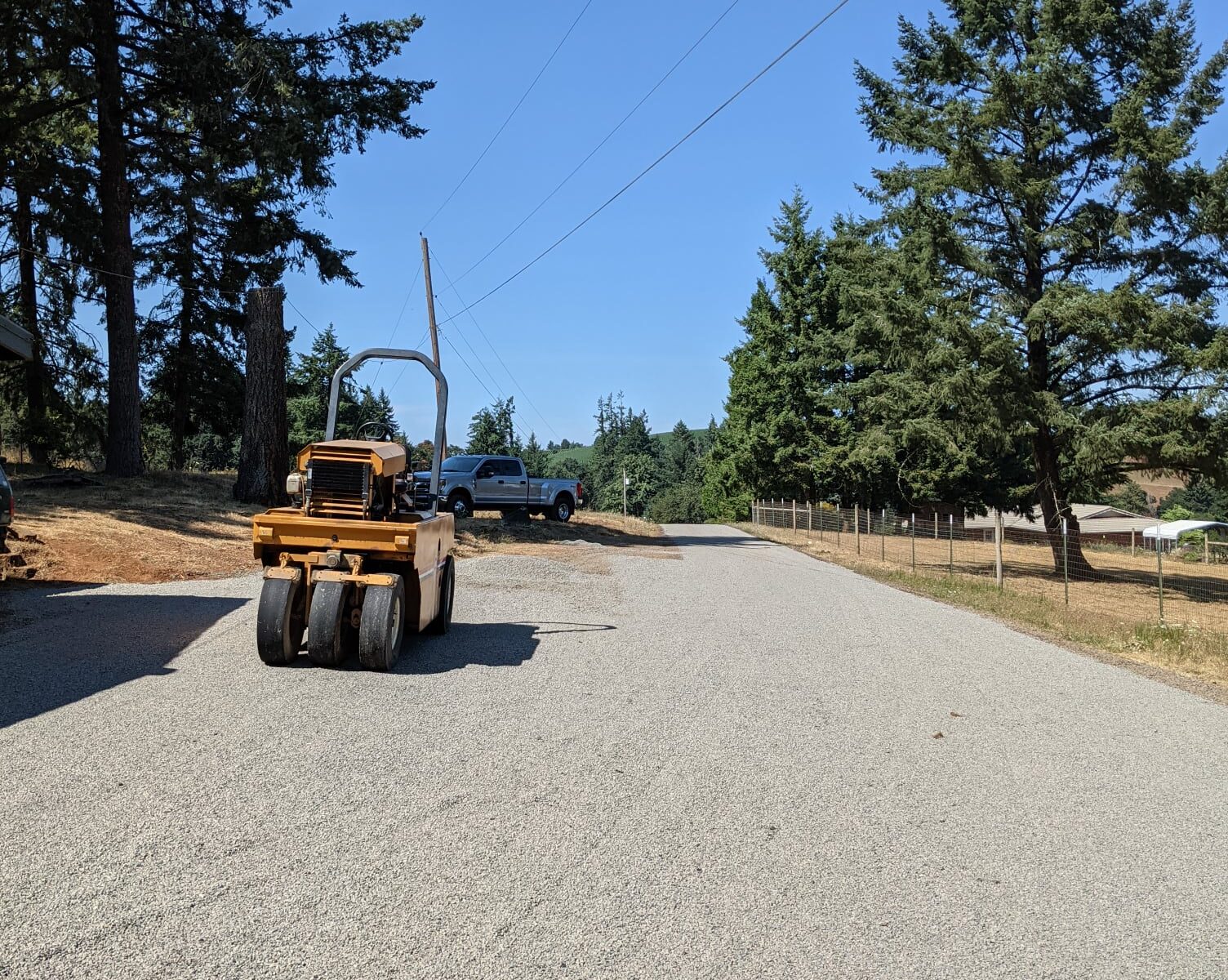
Understanding Chip Seal Applications in Alabama
Chip seal is a popular choice for many roads and driveways across Alabama. This method combines asphalt emulsion and aggregate to create a durable surface that can withstand the state’s warm climate and heavy rainfall. Homeowners in cities like Birmingham and smaller towns such as Eufaula often seek chip seal for its cost-effectiveness and longevity. Whether it’s for a residential driveway or a rural road, understanding how chip seal works in Alabama can help you make informed decisions about your paving needs.
Why Choose Chip Seal in Alabama?
Alabama’s climate plays a significant role in the effectiveness of chip seal. The state experiences hot summers and mild winters, which can lead to wear and tear on road surfaces. Chip seal provides a protective layer that can help extend the life of your pavement.
For instance, in larger cities like Montgomery, where traffic levels can be high, chip seal is an excellent option for maintaining roads. It can handle the constant movement of vehicles while providing a textured surface that enhances traction. On the other hand, rural areas like Florence may benefit from chip seal for farm lanes and private roads, offering a practical solution that keeps maintenance costs low.
Additionally, the type of traffic and the specific use of the road should be considered. Chip seal is often used on:
- Driveways: Ideal for residential properties, providing a smooth surface that can handle everyday use.
- HOA Streets: A budget-friendly option for neighborhoods looking to maintain their roads without breaking the bank.
- County Roads: Perfect for low to moderate traffic areas, helping to preserve road integrity.
When to Choose Chip Seal vs. Asphalt Overlay
While chip seal has its advantages, it’s essential to understand when it is a good fit compared to asphalt overlays or new asphalt. Here are some considerations to help you decide:
- Chip Seal: Best used for surfaces that are in fair condition and require surface rejuvenation without extensive repairs.
- Asphalt Overlay: Ideal for roads with significant damage or those needing a complete overhaul.
- New Asphalt: Recommended for entirely new construction or when existing pavement is beyond repair.
For example, if you have a driveway in Huntsville that is starting to show signs of wear but isn’t cracked or damaged significantly, chip seal might be the best option. However, if your driveway has deep cracks and potholes, an asphalt overlay would be a more suitable choice.
Maintenance Tips and Common Mistakes
To get the most out of your chip seal project in Alabama, consider these maintenance tips and common mistakes to avoid:
- Regular Inspections: Check for signs of wear or damage at least twice a year.
- Prompt Repairs: Address any cracks or issues as soon as they arise to prevent further damage.
- Avoid Heavy Loads: Refrain from parking heavy vehicles on newly applied chip seal for at least 24 hours.
- Proper Drainage: Ensure that water drains away from the surface to prevent pooling.
- Seal Coating: Consider seal coating after a few years to extend the life of the chip seal.
By following these guidelines, you can help ensure your chip seal surface remains in good condition for years to come.
Local Considerations for Chip Seal in Alabama
When planning a chip seal project in Alabama, it’s crucial to consider local factors. The state’s weather patterns dictate the best times for application. Typically, late spring to early fall is ideal for chip seal work, as the temperatures are warm enough for proper curing.
Additionally, the availability of aggregate materials can vary by region. In urban areas like Mobile, you may find a wider selection of aggregates compared to rural locations. This can affect the texture and appearance of your finished surface. It’s also important to choose the right chip size; larger aggregates may be more suitable for high-traffic roads, while smaller sizes could be better for residential driveways.
Rural conditions can also impact the effectiveness of chip seal. For example, in smaller towns like Talladega, where roads may see less traffic, chip seal can be an economical and durable option for maintaining surfaces without the need for extensive repairs.
Next Steps
Ready to plan a chip seal project in Alabama? Contact us. See Alabama chip seal guidance.
Practical chip seal guidance for Alabama—best uses, maintenance, and common mistakes. Get local timing and contractor tips for your project. Learn more at chi