

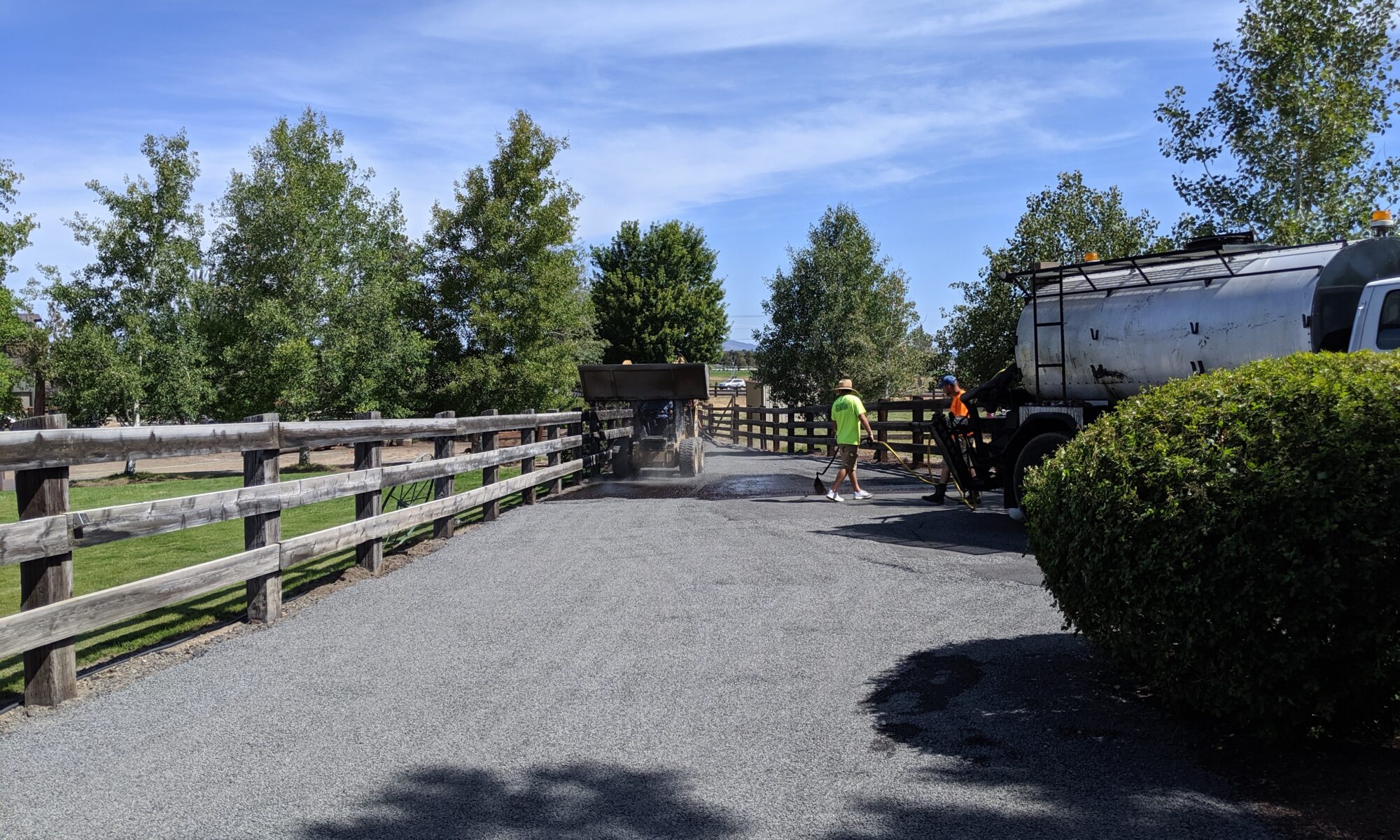
Understanding Chip Seal in Alabama
Chip seal is a popular choice for road maintenance in Alabama. This method involves applying a layer of asphalt emulsion followed by aggregate, creating a durable surface that can withstand the state’s weather conditions. With Alabama’s mix of urban and rural environments, chip seal serves various applications, from busy city streets in Birmingham to quieter rural roads in towns like Fairhope.
Alabama experiences a humid subtropical climate, meaning hot summers and mild winters. This weather can take a toll on roads, leading to cracks and deterioration. Chip seal helps protect against these issues, making it an effective choice for homeowners and local governments looking to extend the life of their roadways. Whether you’re maintaining a driveway in Huntsville or a lane on a ranch in Montgomery, chip seal can provide a reliable surface that holds up well against traffic and the elements.
The Benefits of Chip Seal for Alabama Roads
In Alabama, chip seal offers several benefits tailored to the state’s specific needs. Here are some of the key advantages:
1. **Cost-effective Solution**: Chip seal is often less expensive than traditional asphalt overlays, making it an attractive option for local governments and homeowners alike.
2. **Quick Application**: The installation process is relatively fast, minimizing disruption to traffic and daily life in busy areas like Mobile.
3. **Improved Traction**: The aggregate used in chip seal provides excellent traction, which is particularly important for rural roads that may experience wet conditions.
4. **Versatility**: Chip seal can be applied to a variety of surfaces, including residential driveways, commercial parking lots, and rural roads.
5. **Eco-friendly**: This method often uses recycled materials, making it a sustainable choice for road maintenance.
In places like Tuscaloosa, where traffic levels vary significantly, chip seal can be an ideal option for both high-traffic areas and quieter neighborhoods.
When to Choose Chip Seal vs. Other Options
While chip seal is a great option, it’s essential to assess whether it’s the best fit for your specific needs. Here are some guidelines on when to choose chip seal versus other paving options like asphalt overlays or new asphalt:
- **Driveways**: Chip seal is suitable for residential driveways, especially if they experience moderate traffic.
- **HOA Streets**: Chip seal can effectively maintain roads in homeowner associations where budget constraints are a concern.
- **Farm Roads**: Rural lanes and farm roads benefit from chip seal’s durability while remaining cost-effective.
- **Parking Lots**: Commercial lots with lower traffic can also be good candidates for chip seal.
However, if you have a heavily trafficked road or one with significant structural issues, an asphalt overlay or new asphalt might be a better choice. These options provide a smoother surface and better long-term durability under high stress.
Maintenance Tips for Your Chip Seal Surface
Once you’ve opted for chip seal, maintaining it is crucial to ensure its longevity. Consider these tips for keeping your chip seal surface in great shape in Alabama:
- **Regular Inspections**: Check for cracks or loose stones at least twice a year.
- **Sealant Application**: Reapply sealant every few years to protect against water damage.
- **Keep it Clean**: Regularly remove debris, leaves, and dirt to prevent moisture buildup.
- **Avoid Heavy Loads**: Limit heavy vehicle traffic, especially shortly after installation.
- **Prompt Repairs**: Address any damage immediately to prevent further issues.
These simple maintenance steps can help you avoid costly repairs down the line and keep your roads safe for everyone.
Local Considerations for Chip Seal in Alabama
When planning a chip seal project in Alabama, several local factors can influence your decision. The state has distinct weather patterns that affect the timing of application. Generally, the best time for chip seal projects is during the warmer months, typically from late spring through early fall, to ensure proper bonding and curing.
Additionally, the availability of suitable aggregate materials can vary by region. For example, cities like Decatur may have different chip sizes available compared to those in rural areas. It’s also important to consider the condition of the existing surface. Urban areas may have more traffic-related wear and tear, affecting the suitability for chip seal compared to a more rural setting.
In Alabama, the choice of aggregate can impact both the appearance and functionality of the chip seal surface. Smaller aggregates may be more appropriate for residential areas, while larger sizes might be better suited for rural roads that experience heavier traffic.
Next Steps
Ready to plan a chip seal project in Alabama? Contact us. See Alabama chip seal guidance.
Practical chip seal guidance for Alabama—best uses, maintenance, and common mistakes. Get local timing and contractor tips for your project. Learn more at chi