

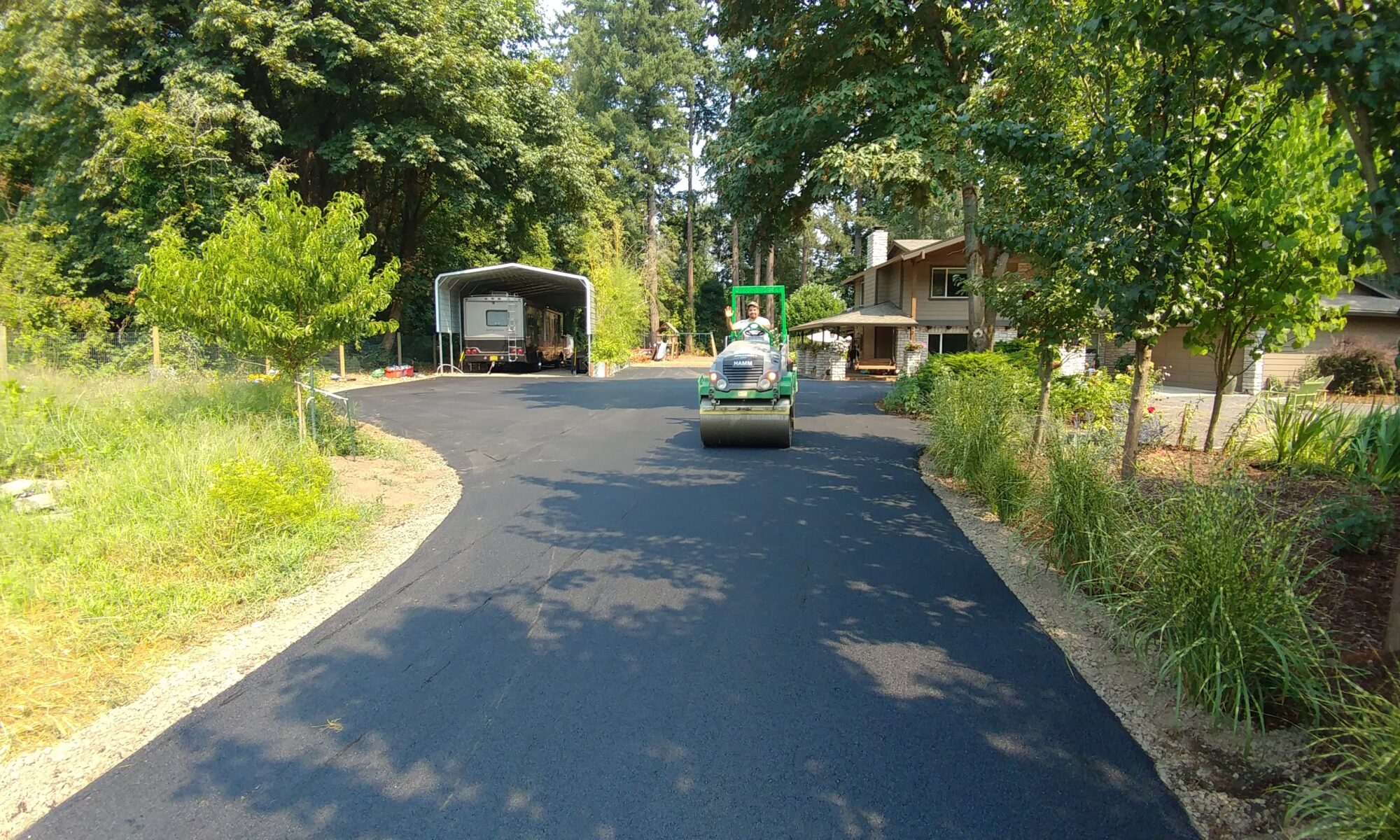
Understanding Chip Seal in New Jersey
Chip seal is a practical solution for maintaining and improving road surfaces, especially in New Jersey. This method involves applying a layer of asphalt emulsion followed by a layer of aggregate, creating a durable surface. Given the state’s diverse climate and traffic conditions, chip seal can be an effective option for various locations, including residential driveways, HOA streets, and rural roads.
In New Jersey, the varying weather patterns, from humid summers to snowy winters, can significantly impact road conditions. Areas like Newark and smaller towns such as Cape May often experience wear and tear due to both weather and traffic. Chip seal can help protect these surfaces, extending their lifespan and providing a reliable driving experience.
Why Choose Chip Seal in New Jersey?
When considering road maintenance, chip seal is particularly beneficial in New Jersey for several reasons:
– **Climate Resilience**: The state’s weather can be harsh on road surfaces. Chip seal offers a protective layer that can withstand temperature fluctuations, reducing the risk of cracks and potholes.
– **Cost-Effectiveness**: Compared to full asphalt overlays, chip seal is generally more affordable while still delivering quality results. This is particularly appealing for homeowners and local governments looking to maintain streets without breaking their budgets.
– **Quick Application**: The installation process for chip seal is relatively fast, allowing for minimal disruption. This is especially advantageous for busy areas like Jersey City where traffic flow is crucial.
In smaller towns, such as Hammonton, chip seal can be a great choice for rural roads and private driveways, helping to maintain access for both residents and visitors.
Where Chip Seal Works Best
Chip seal is suitable for a variety of applications, but it’s essential to know when it’s the right choice versus when a different method might be better. Here are some practical uses for chip seal in New Jersey:
- Driveways: Ideal for residential areas where a durable, low-maintenance surface is desired.
- HOA Streets: Provides a cost-effective solution for maintaining neighborhood roads.
- Farm Roads: Perfect for rural areas where heavy equipment may be used, offering excellent traction.
- Parking Lots: Useful for commercial properties looking to enhance their surfaces without extensive downtime.
However, there are situations where asphalt overlays or new asphalt might be a better fit, such as:
- Severely damaged roads: If the base is compromised, a full overlay may be necessary.
- High-traffic areas: Roads that see a lot of heavy traffic may require the durability of new asphalt.
- Urban settings: In highly developed areas, existing infrastructure may not support chip seal effectively.
Maintenance Tips for Chip Seal Surfaces
Maintaining a chip seal surface can enhance its longevity. Here are some essential tips to keep in mind:
- Regular Inspections: Check for cracks or loose stones regularly to address issues early.
- Keep it Clean: Remove debris and leaves to prevent moisture retention, which can cause damage.
- Avoid Heavy Loads: Be cautious with heavy vehicles, especially soon after application, to prevent surface damage.
- Seal Cracks Promptly: Address any cracks immediately to prevent water infiltration.
- Reapply as Needed: Depending on wear, consider reapplying chip seal every 5-7 years.
By following these tips, homeowners and local authorities can ensure their chip seal surfaces remain in excellent condition for years to come.
Local Considerations for Chip Seal in New Jersey
When planning a chip seal project in New Jersey, several local factors come into play:
– **Seasonality**: The best time for chip seal application is typically late spring to early fall. This timeframe allows the asphalt to cure properly and ensures that weather conditions are favorable.
– **Aggregate Availability**: New Jersey has various sources for aggregate, which is essential for chip seal. The size and type of aggregate can affect the final surface quality, so it’s important to choose appropriately based on local availability.
– **Urban vs. Rural Conditions**: In urban areas like Trenton, traffic patterns and road conditions can differ significantly from rural areas. Rural roads might benefit more from chip seal due to lower traffic volumes and the presence of heavier vehicles, while urban roads may require more frequent maintenance due to higher wear and tear.
For instance, a rural road in Sussex County may thrive with chip seal, while a busy street in Camden might need a different approach to manage the heavy traffic and potential for more significant damage.
Next Steps
Ready to plan a chip seal project in New Jersey? Contact us. See New Jersey chip seal guidance.
Practical chip seal guidance for New Jersey—best uses, maintenance, and common mistakes. Get local timing and contractor tips for your project. Learn more at